The Age of the Latin Language
It is impossible to calculate the age of the Latin language without taking into consideration some of the fascinating history of the Roman Empire.
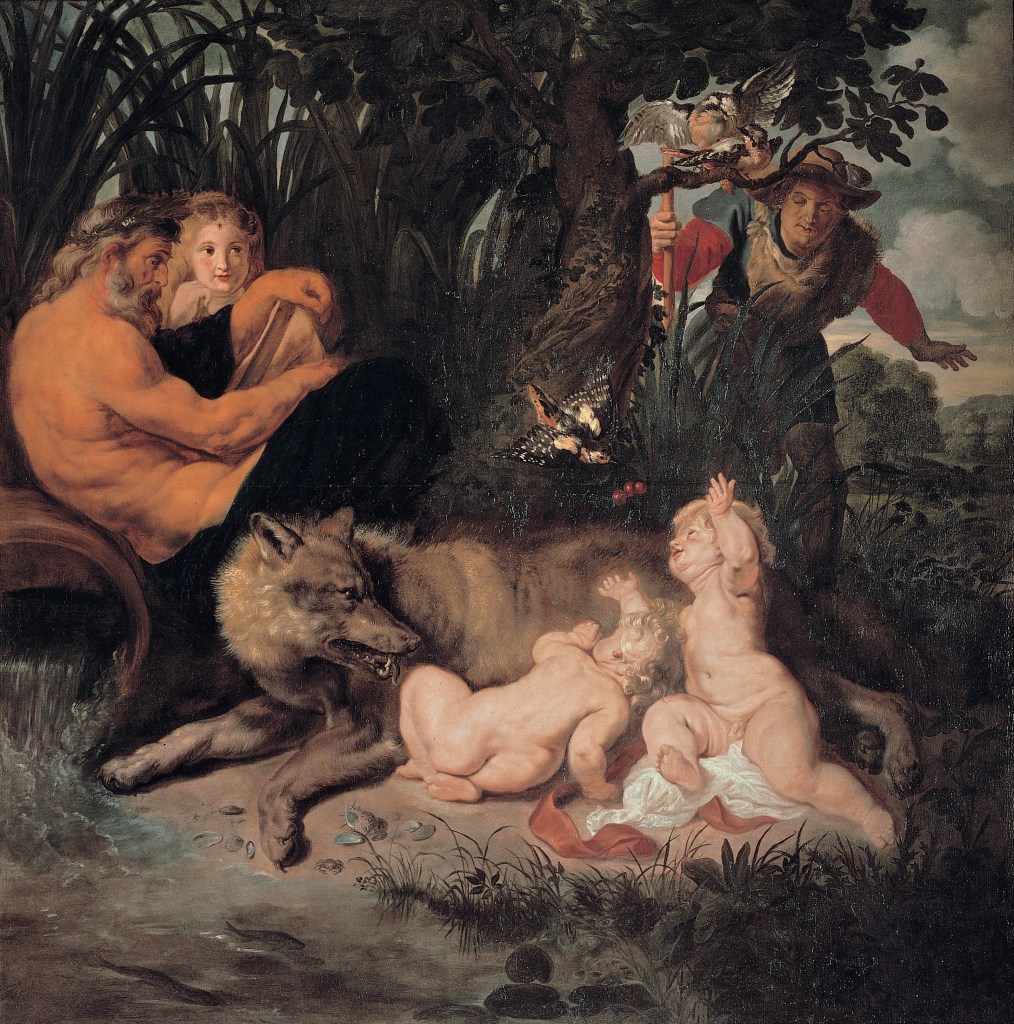
The genesis of Latin was the languages found among migrants who first settled the area which eventually became Rome around the 9th century B.C. From that date to the present time is almost three thousand years, but the age of the Latin language is often calculated from the founding of Rome by King Romulus in 753 BC. Romulus gave his name to the people and to their language.
Latium
The area in which the Romans lived was known as Latium1, and from the time of Romulus, a specifically Roman culture began to emerge. The Roman society was based on agriculture and military life but was also influenced by the culture of Ancient Greece and by the Etruscans. At this time, the various groups around Latium continued to speak in closely-related dialects.
By around 500 BC, written Latin emerged, and the language began to become more standardised. This process continued until the Roman Republic encompassed the entire Italian Peninsula by around 270BC, with standardised Latin as the offical language. At this point, the language was fairly unrefined and utilitarian.2
Classical Latin
‘Classical’ Latin, also known as the Latin of the Golden Age, was inspired by Classical Greek, both in form and content and is a highly artistic form. It is the language of the great writers who lived in the last century BC and reflects the Romans’ growing interest in high culture.
One of the earliest playwrights whose works survive was Titus Marcus Plautus, who lived in the 3rd century.3 Famous writers, such as Cicero, Vergil, Horace and Ovid were proponents of this form and their works were studied all over the Roman Empire, from Italy to Africa to Gaul.
Ecclesiastical Latin
Ecclesiastical Latin, on the other hand, grew out of the everyday language of the Roman people, that is to say, it was the vernacular speech of ancient Rome. Everyday Latin evolved as new words were required to express the new thoughts being imported from Greek culture. The original Latin language was rich in verbs, but as the language changed, adjectives and words to express abstract thoughts were introduced. Latin went on to become not ‘the language of a nation but the language of an empire.’4
The early Christian writers, such as St. Paul and St. Clement, first used Greek, and it was not until the end of the second century that Latin was used in the Church; the first Christian document written in Latin was a Latin version of the Bible.5
Thus the age of the Latin language is
- around 2750 years (from the founding of Rome)
- around 2300 years for the widespread Latin vernacular
- around 2100 years for Classical Latin
- around 1800 years for Ecclesiastical Latin.
SOURCES:
- AncientLanguage.com
- ibid
- Ad Nauseam, by Lorna Robinson. p 120.
- An introduction to Ecclesiastical Latin, HPV Nunn, p 2.
- ibid
IMAGE SOURCE: Peter Paul Rubens, Public domain, via Wikimedia Commons


 Ora et Labora
Leave a reply to November 1st Newsletter – Ora et Labora Publications Cancel reply